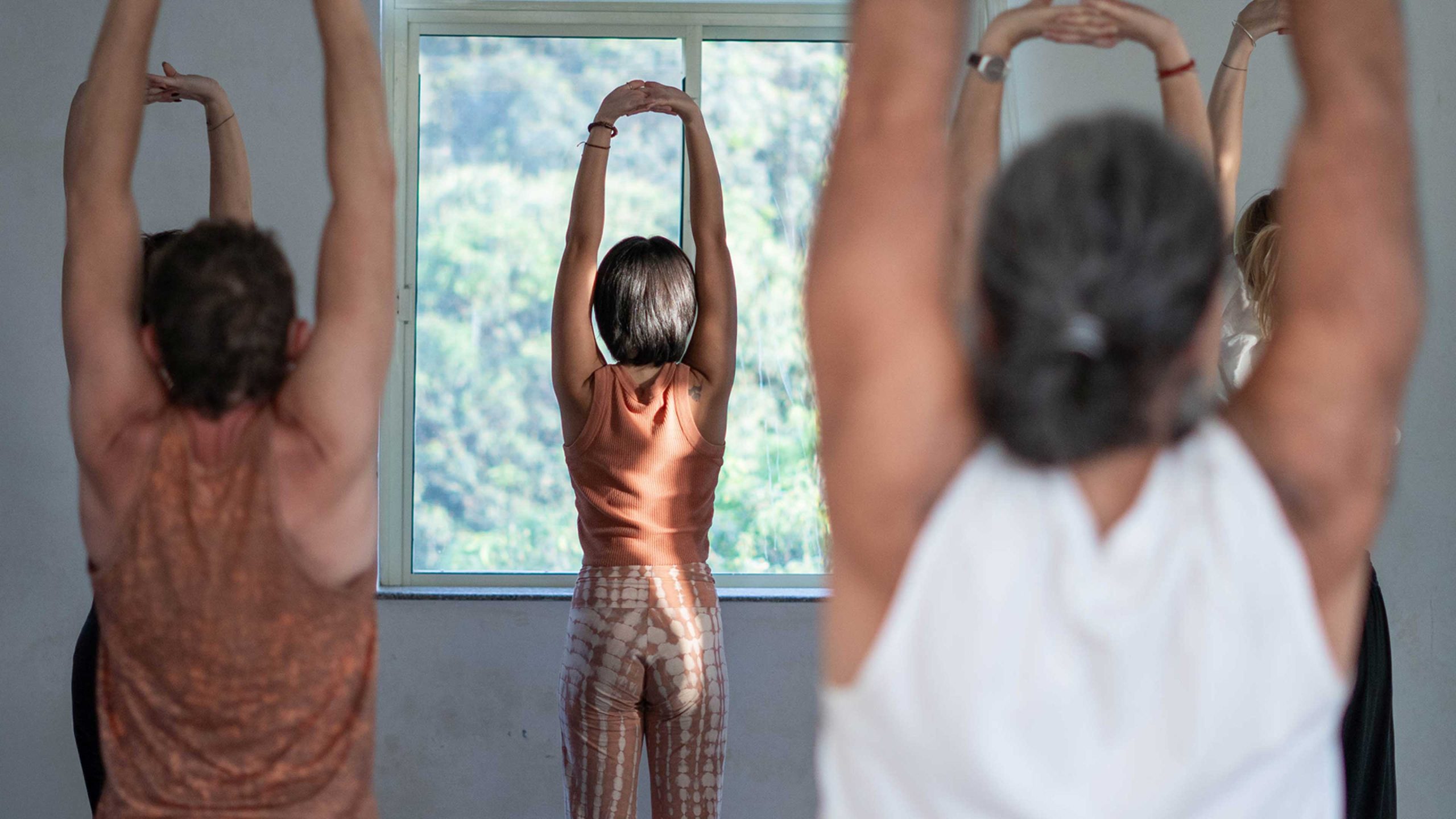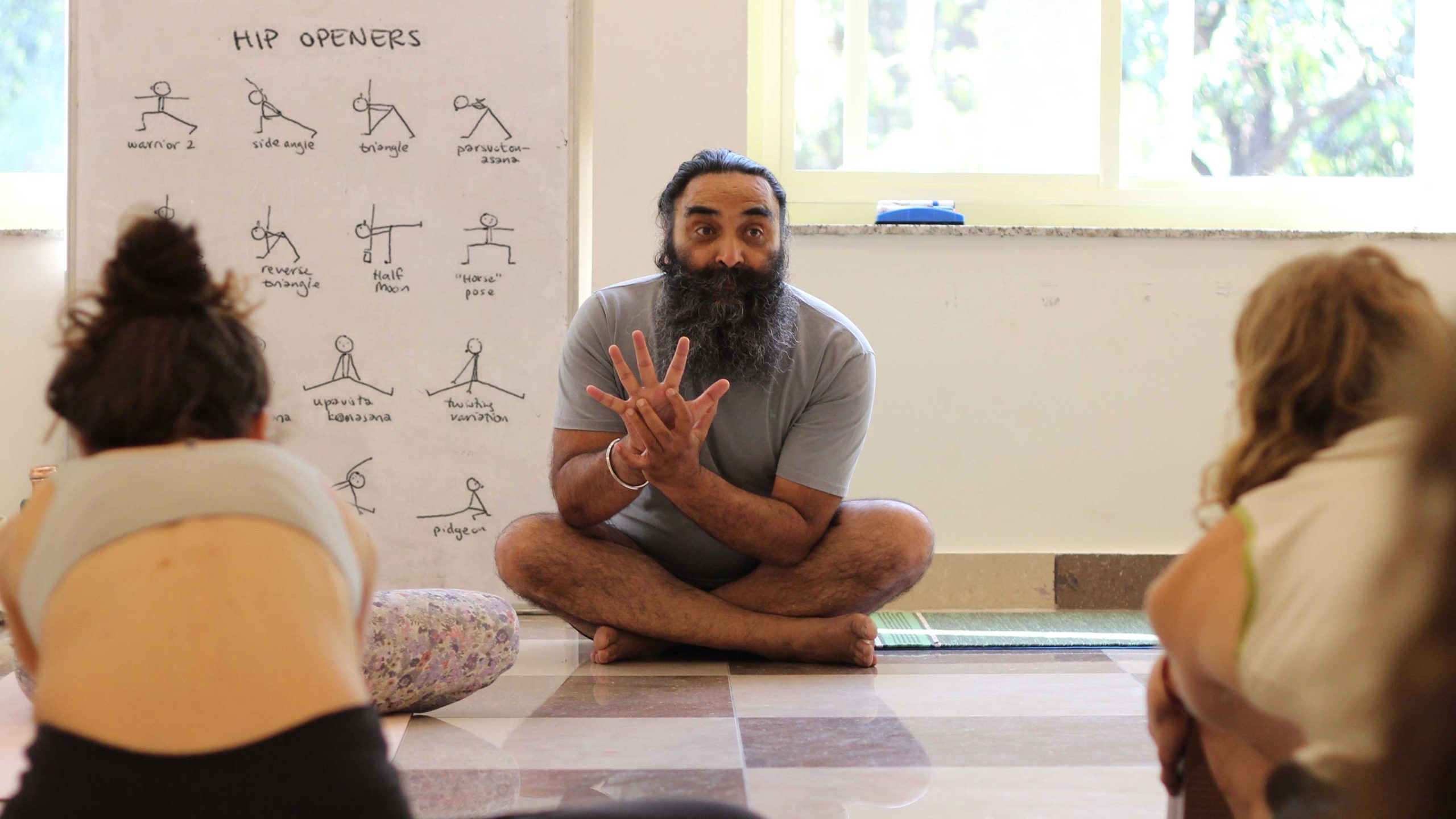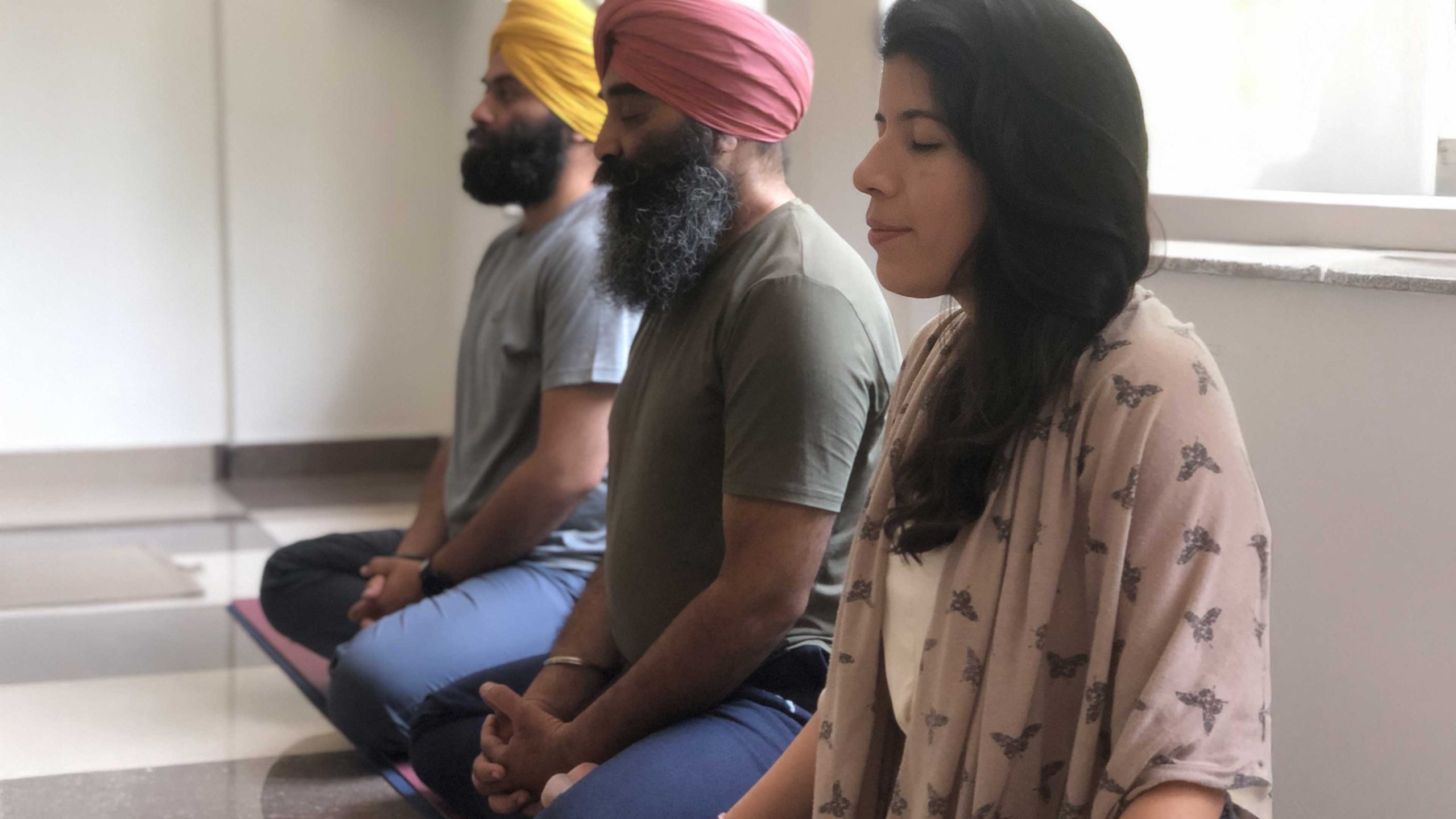


It reminds us that the purpose of asana is not to conquer the body, achieve a particular shape, or prove how much we can do. It is to discover a balanced relationship with effort: to know when to engage, when to soften, when to persevere, and when to simply be.
Yet finding the right balance between effort and ease, both in our actions and in our yoga practice, is not always easy.
We live in societies that often place great value on performance, achievement and productivity, leaving less space for rest, softness and simple joy. In a culture of constant activity, rest can sometimes feel like a failure, while vulnerability may be mistaken for weakness.
Many of us grow up with expectations, both external and internal, about who we should become and how we should perform. Over time, these expectations can take us further away from simply being who we are.
The distance between who we feel we should be and who we authentically are can lead us to adapt, often unconsciously, to the expectations around us. We may find ourselves constantly seeking external validation, or experiencing a sense of disconnection and not belonging. Eventually, this can affect how we relate to ourselves, our energy and the world around us.
What Yoga offers?
Yoga offers us a path to reconnect. It invites us to become more conscious of our body and mind, and to cultivate a relationship with ourselves that is rooted in awareness rather than constant judgement. Through its philosophy and practices, yoga offers tools to explore who we are beyond our conditioning and to reconnect with the deeper dimensions of our being.
This is one of the beautiful contributions of the yoga traditions that originated in India: a rich philosophical and spiritual heritage, accompanied by practices that have travelled across cultures and inspired people around the world to explore their inner lives and develop a relationship with the Self.
As yoga has become increasingly popular around the world, it's the physical dimension that has received the greatest attention. For many practitioners, asana is the first point of connection with yoga, while its broader philosophical and contemplative teachings may remain less explored.
This does not make the physical practice any less valuable. On the contrary, the body can become a wonderful doorway into self-awareness, healing and personal transformation. The invitation is to discover what lies beyond the shapes we create on the mat.
Perhaps this is one of the beautiful challenges of yoga as it continues to travel across cultures: how do we embrace the different ways people experience and approach the practice while remaining connected to the wisdom and philosophy from which it emerged?
Yoga can begin in many different ways. For some, it starts with movement, physical wellbeing or the desire to find balance in everyday life. For others, it is a search for meaning, inner peace or spiritual connection. None of these beginnings needs to be more or less valid than another. What matters is the possibility of allowing the practice to unfold into something deeper.
When we look beyond the physical shapes, we begin to discover that yoga is not simply something we do, but something we cultivate in the way we relate to ourselves, to others and to life itself.
I have witnessed this in so many practitioners and students who come to India searching for something within themselves. Some arrive hoping to heal, to understand their inner world, or to find a sense of belonging. Others approach their journey with the same expectations they bring into everyday life: to improve, achieve and become better, sometimes through physical practice alone.
I recognise parts of myself in this journey, too.
Beyond the asana
Yet something beautiful happens when we begin to discover yoga beyond asana. We become curious about our inner world, learn to meet ourselves with greater compassion, and realise that growth does not always come from pushing further. Sometimes, it begins with allowing ourselves to soften.
There are moments when we need to meet fear and uncertainty with strength. We need discipline, commitment and the willingness to show up. But perhaps a deeper journey begins when effort no longer feels like overcoming a limitation, and instead becomes an expression of our inner strength.
When we find that place, we neither hold back out of insecurity nor push forward out of ego. We learn to offer just the right amount of energy to what we do, without losing the joy of doing it.
And this exploration extends far beyond our mat.
Our asana practice can reflect how we live, how we make decisions, how we meet challenges, and how we relate to ourselves and others.
Can we be strong without becoming rigid? Active without becoming restless? Soft without losing our centre? Vulnerable without feeling diminished?
Yoga is a continuous cultivation of this balance, the dance of Sthira and Sukha, of the sun and the moon within us.
For me, one of the most important feelings I have discovered along this journey is realising that there is strength in stillness, and joy in no longer having to prove anything.
A balanced practice, much like our relationship with ourselves, invites us to recognise when to activate and when to rest; when to move with strength and when to find joy in softness and stillness. It is not about remaining in one state, but developing the awareness to move between them according to what is needed.
The real practice is not in how much we can do, but in how naturally we can find ourselves within what we do.
Sthira Sukham Asanam. A lifetime of exploration.